



When you’re buying your first fountain pen—or even your fifth—one of the most common questions is: “Which nib size should I choose?” With dozens of options and brand-to-brand variations, it can feel overwhelming. This guide cuts through the confusion so you can make a confident choice, whether you’re new to fountain pens or expanding a growing collection.
What Is a Fountain Pen Nib?
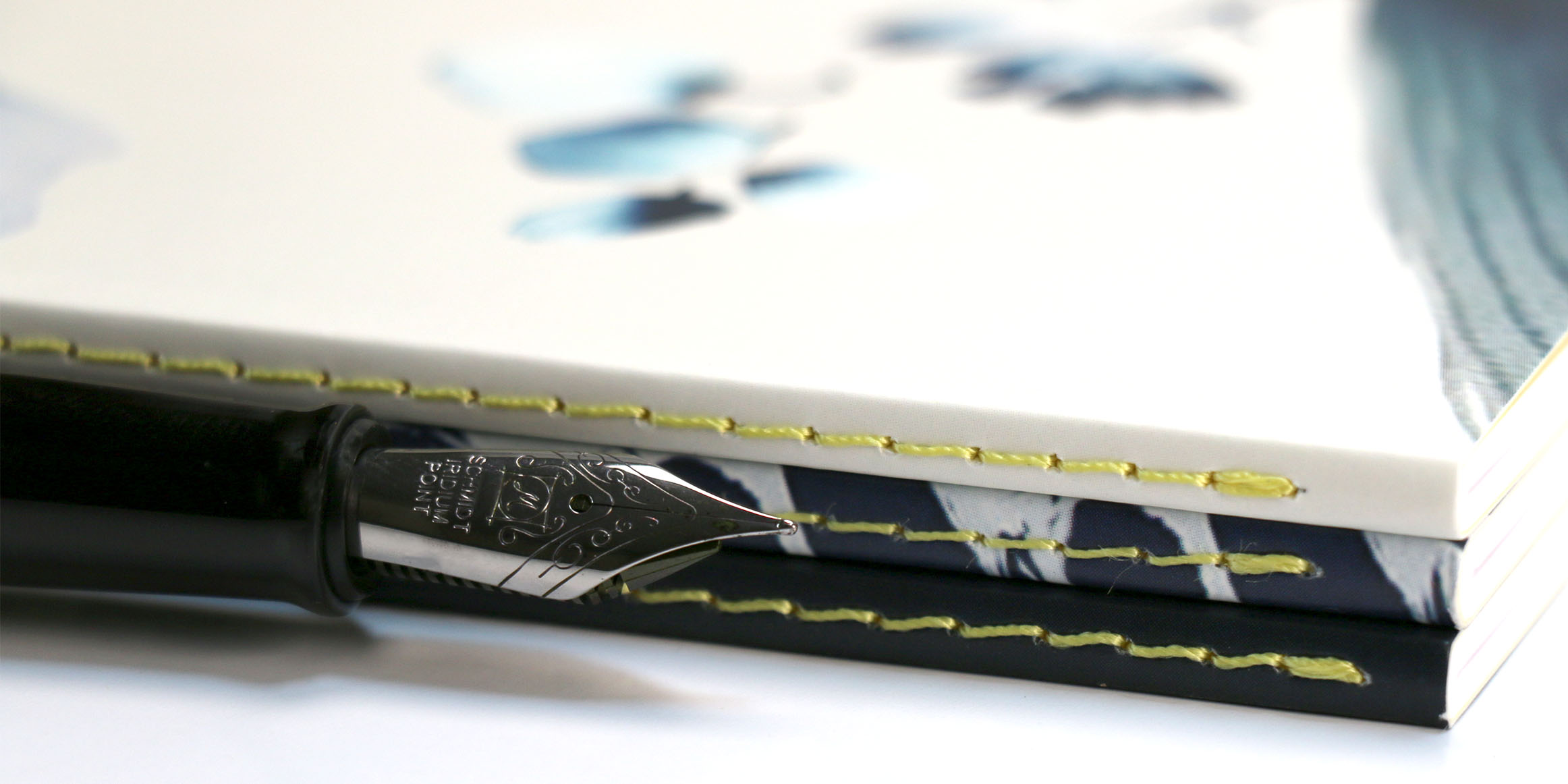
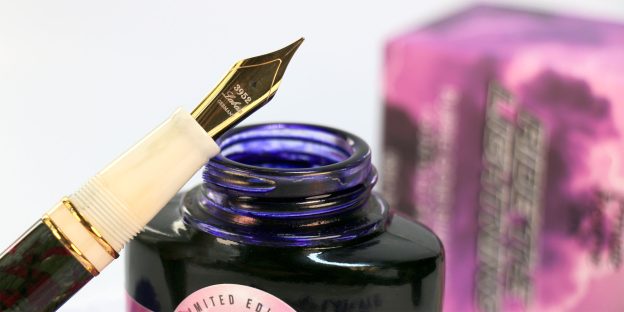
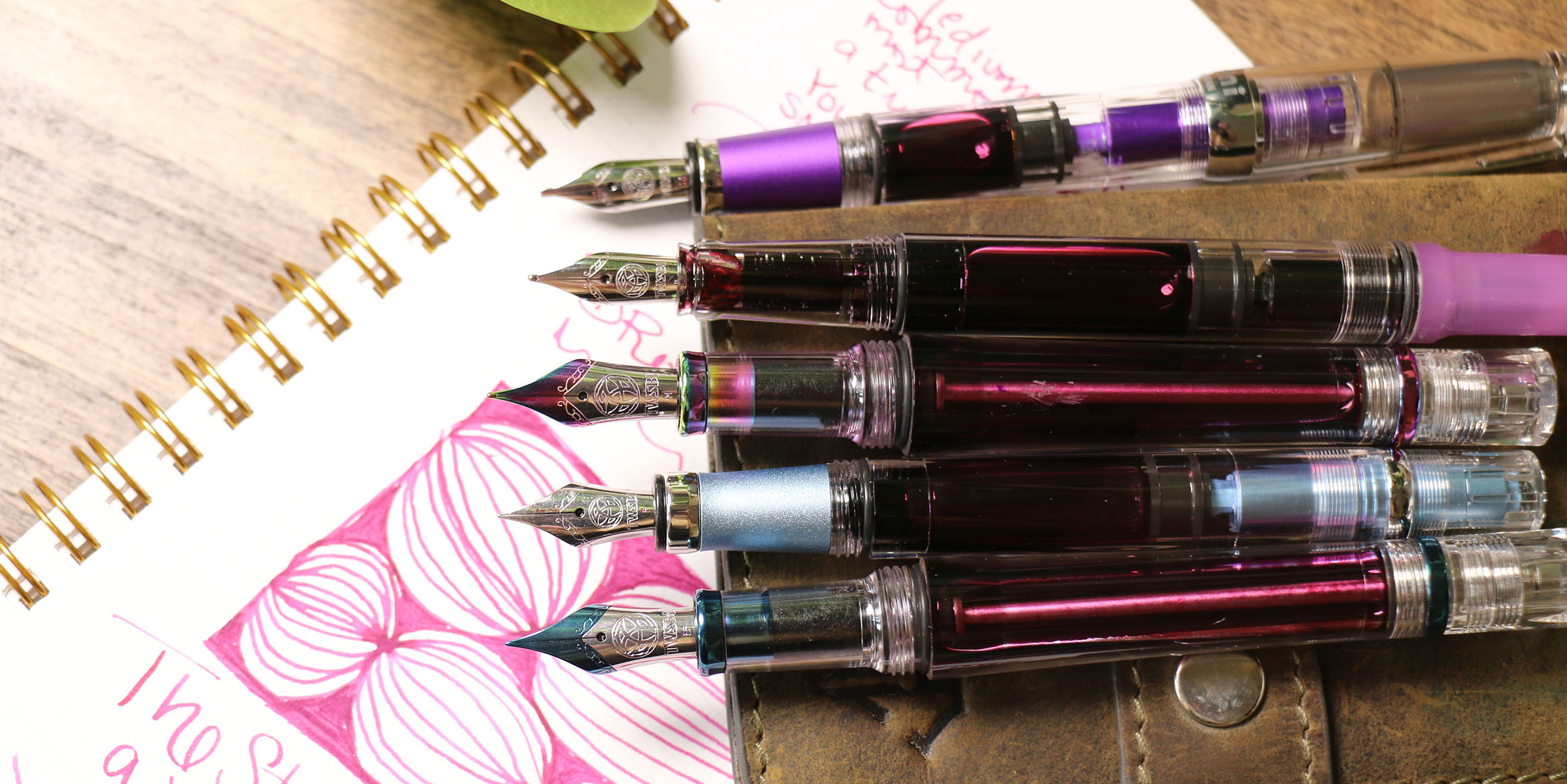
A nib is the metal tip of a fountain pen that touches the paper. Nibs come in different sizes, usually labeled Extra Fine (EF), Fine (F), Medium (M), Broad (B), or Stub (1.1). They can also be found in less common nib sizes like italic, stub 1.5, flex, etc. Each nib size determines how thick or thin your written line appears.
Why Does the Size of the Nib Matter?
Your nib size directly affects:
- Line thickness: from delicate precision to bold strokes.
- Ink flow: finer nibs use less ink, broader nibs show off ink properties.
- Writing comfort: nib choice impacts how smooth or “feedback-y” the pen feels.
⚡ Authority Tip: Professional calligraphers, authors, and pen collectors almost always experiment with multiple nib sizes before settling on their favorites. If you’re serious about writing, this is not a choice to rush.
Common Fountain Pen Nib Sizes:
Here’s a quick guide to standard nib widths:
Extra Fine (EF): Great for detailed notes and small handwriting. Works well on everyday paper, but may feel scratchy if you press hard.
Fine (F): Balanced choice for daily writing, popular in Japan and among students.
Medium (M): The most versatile nib, ideal for newcomers. Smooth flow, shows ink color well.
Broad (B): Bold, wet lines. Excellent for signatures or showing off sheen and shading in ink.
Specialty (Stub/Italic/Flex): Create character, line variation, and expressive writing styles
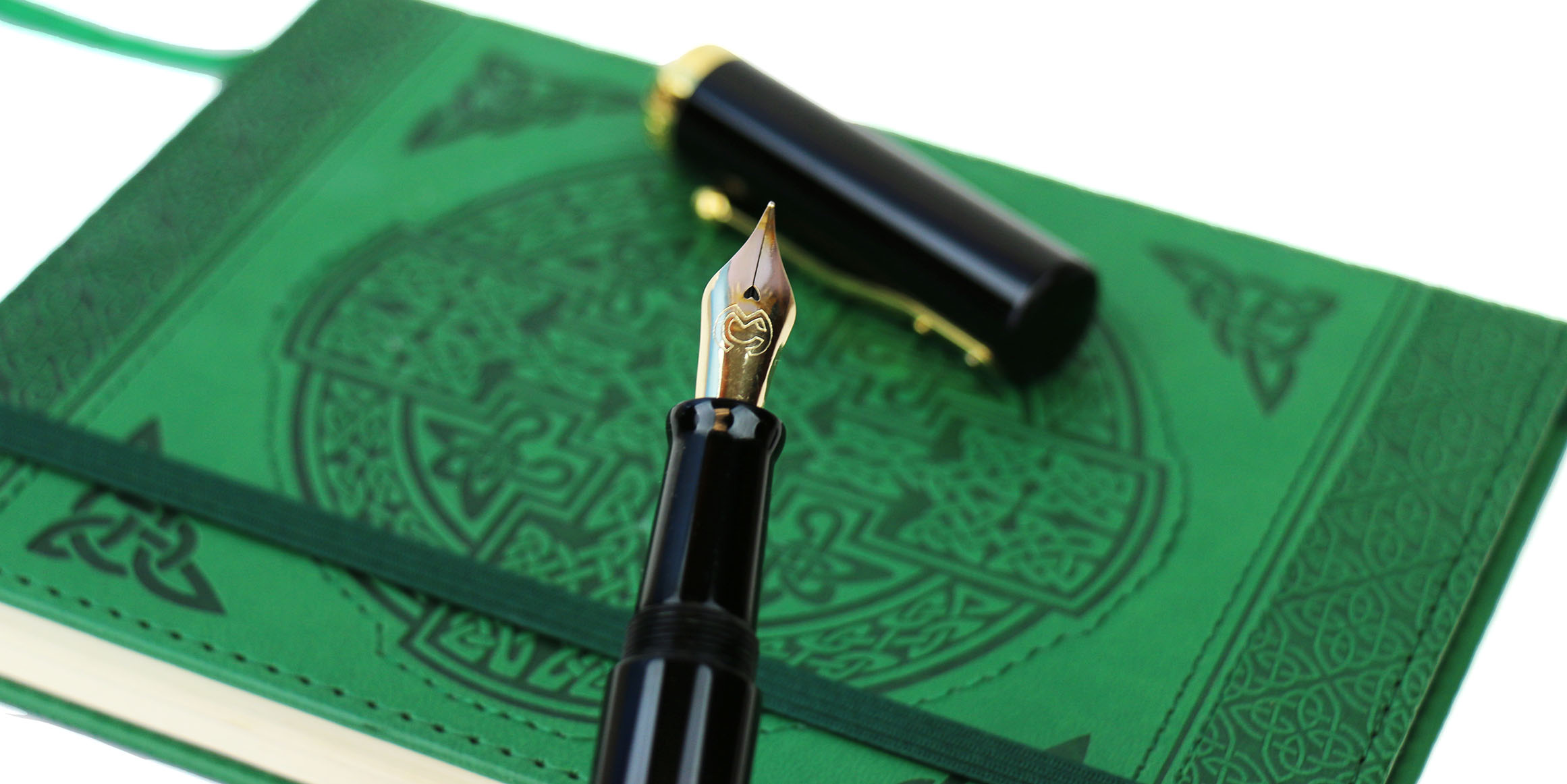
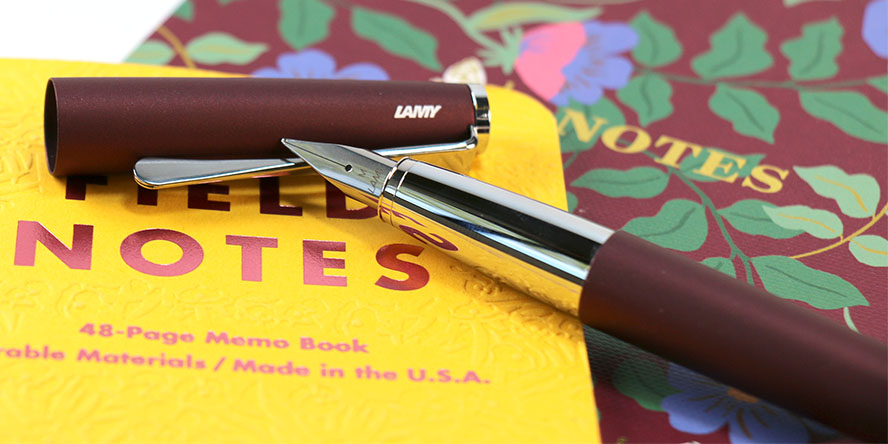
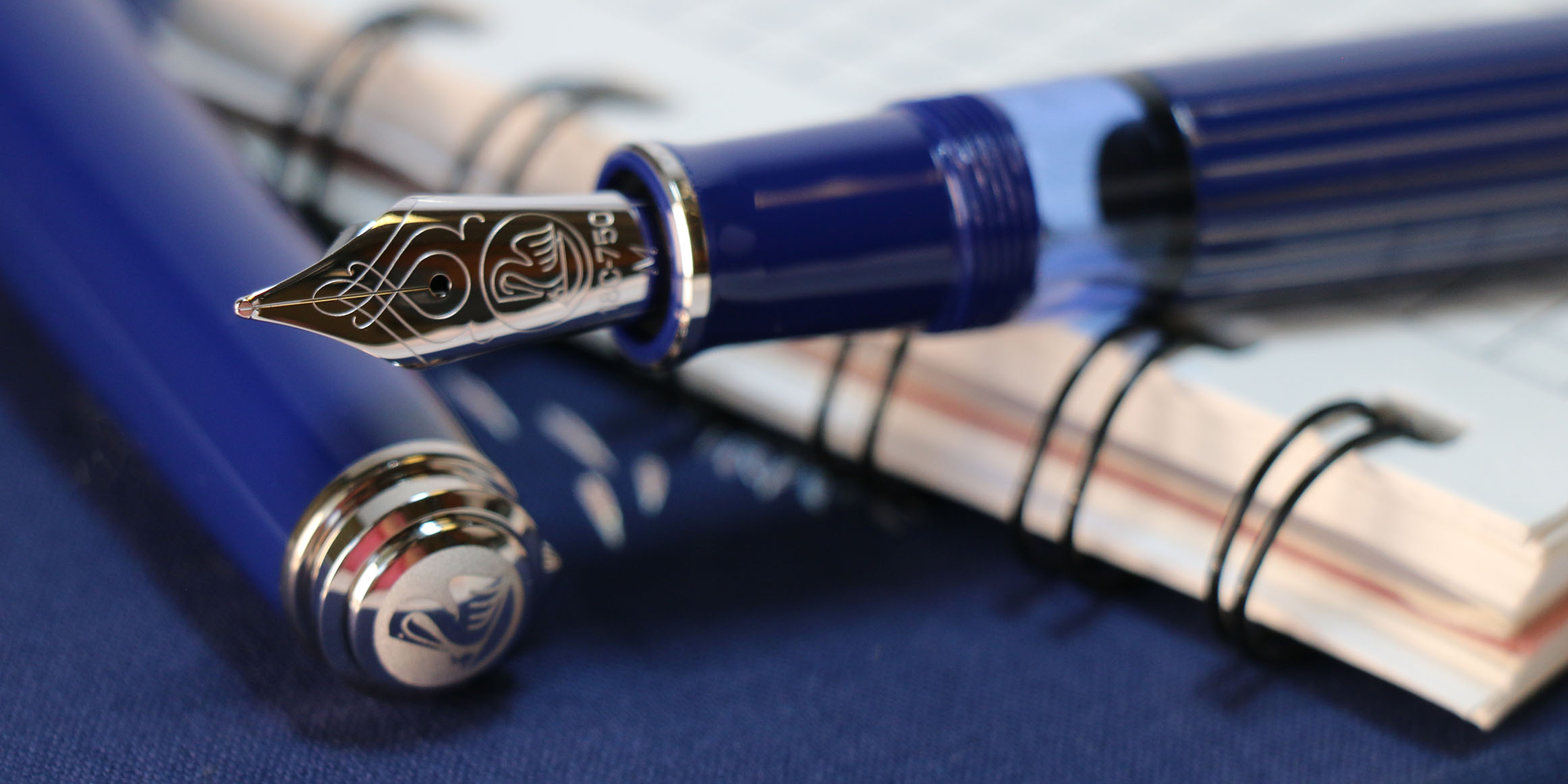
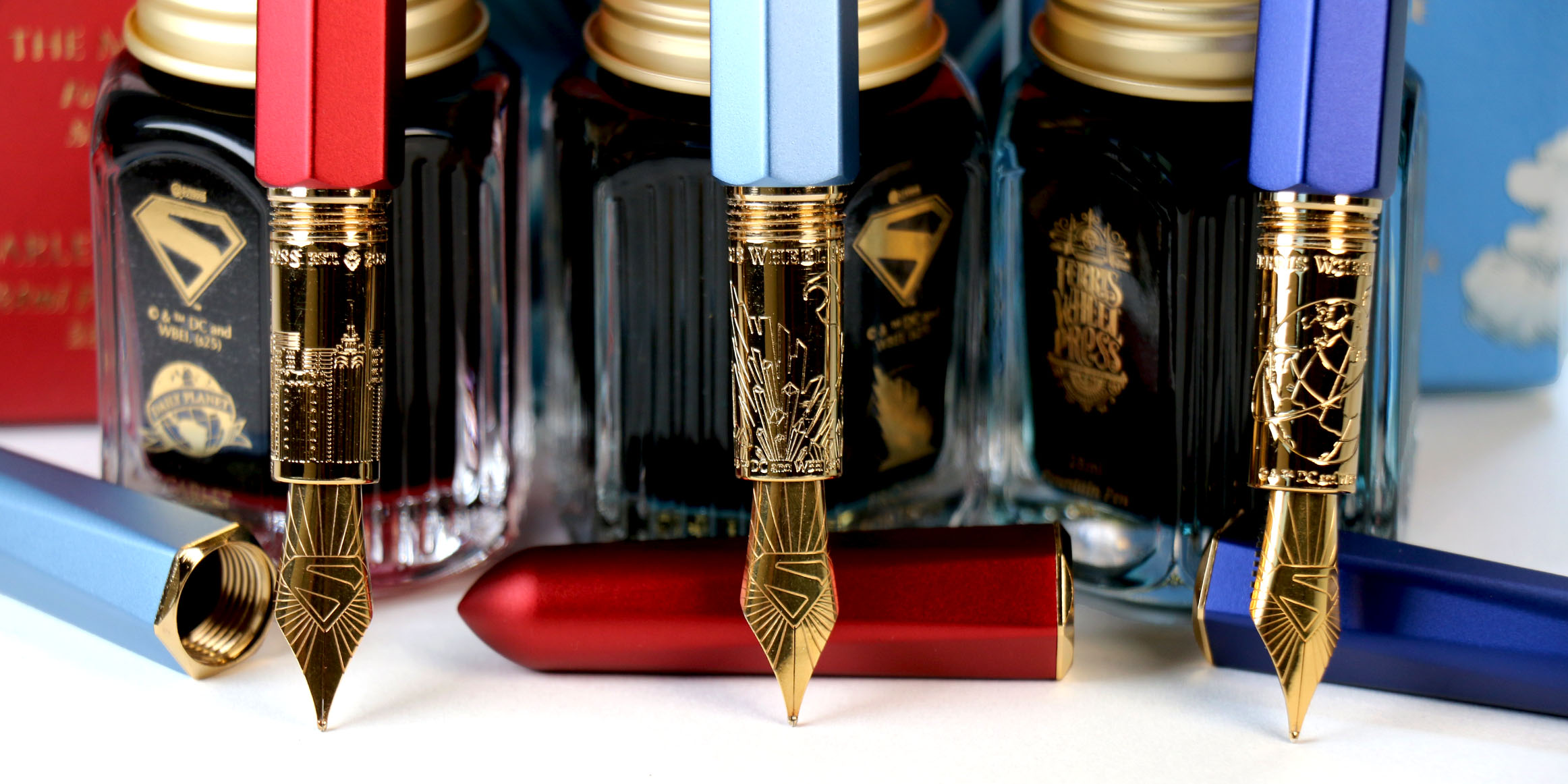
💡 Scarcity Cue: Limited edition pens often release with only one nib option (for example, Medium only). Knowing your preference helps you act quickly before stock sells out.
How to Match Nib Size to Your Needs
Ask yourself these questions for a little guidance to get started on your journey.
Do I write small or large?
Small → EF or F.
Large → M or B.
Do I use everyday office paper or premium paper?
Standard paper → F or M.
Premium paper → B or specialty
Do I want to see shimmer, sheen, or shading in my ink?
Choose M or B or a wider specialty nib.
Social Proof: What Other Writers Prefer
Students often choose Fine for note-taking on thin paper.
Journalers lean toward Medium for smooth flow and visible ink properties.
Collectors often keep a mix. For example, a Fine for daily use, a Broad for ink swatching, and a Stub for weekend writing.
📊 BTS Peek: In Pen Chalet’s own sales data, Medium nibs outsell all other nib sizes by a wide margin. So, it’s safe to assume they are the safest starting point for most writers.
FAQs: Choosing Fountain Pen Nib Size
Q: What nib size is best for beginners?
A: Medium is the most forgiving. It’s smooth, versatile, and great on most paper types.
Q: Why do Japanese nibs write finer?
A: Japanese brands like Pilot and Sailor calibrate nibs for smaller characters, so a “Fine” may write more like a Western “Extra Fine.” Pilot publishes a detailed fountain pen nib guide that shows how their nibs compare across sizes and writing styles.
Q: Can I change nib sizes later?
A: Many pens allow nib swapping or offer replacement nib units. This means you can experiment without buying a whole new pen. If your pen uses cartridges, you can also upgrade to converters; which open up access to hundreds of bottled inks.
Q: Is a gold nib smoother than steel?
A: Gold often feels softer or springier, but smoothness depends more on tuning than material.
Final Thoughts (and Next Steps Toward Choosing the Right Nib Size):
Choosing the right nib size is less about rules and more about what feels good in your hand. If you’re new to fountain pens, start with Medium and then branch out until you find your own preference. If you’re a collector, feel free to experiment across the spectrum. And remember: nib size isn’t permanent. You can always add another pen or swap nibs later.
👉 Explore hundreds of fountain pens in every nib size at PenChalet.com. Your next perfect writer may already be waiting.