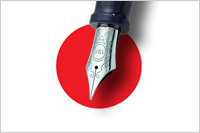




Japanese Pens
About Japanese Writing Instruments
If you’re searching for a Japanese fountain pen that delivers unmatched precision, elegance, and writing performance, you’re exploring one of the finest traditions in the world of fine writing. Japanese fountain pens are celebrated for their ultra-smooth nibs, consistent ink flow, and meticulous craftsmanship. Brands like Pilot Corporation, Sailor Pen Co., and Platinum Pen Co. have built global reputations for producing fountain pens that combine innovative engineering with centuries of artistic heritage. Whether you prefer an extra-fine nib for detailed writing or a broader nib for expressive signatures, fountain pens from Japan offer exceptional control and reliability.Fountain pens from Japan are especially prized for their precision nib sizing. Unlike many Western pens, Japanese nibs are typically ground finer, making them ideal for detailed writing, planners, technical notes, and smaller handwriting styles. A Japanese fountain pen is not just a writing instrument; it’s a refined tool designed for comfort, balance, and long-term durability. From classic resin bodies to handcrafted maki-e finishes, Japanese pens represent a perfect blend of modern performance and traditional artistry.
Beyond fountain pens, Japanese pens in general are known for quality across every category; from gel pens, ballpoint pens and rollerballs to calligraphy and brush pens. Pens from Japan often feature advanced ink technology, smooth-flow systems, and ergonomic designs that reduce hand fatigue during long writing sessions. Whether you’re a professional, student, collector, or calligraphy enthusiast, Japanese pens deliver consistent performance and timeless style.
If you’re considering investing in a Japanese fountain pen or exploring premium pens from Japan, you’re choosing craftsmanship that has been refined for generations. With superior nib precision and smooth writing, elegant design, and dependable performance, pens fom Japanese remain a top choice for writers who value quality and detail in every stroke.
There are many pen manufacturers on the market today, however, in terms of quality and value are your main focus, you can't go wrong with a pen from Japan. Namiki and Pilot, which are really the same company making pens under both names, and Sailor pen company are some of the major players in the Japanese pen market. Namiki/Pilot and Sailor could be compared to other Japanese products such as cars, Lexus (Namiki) Toyota (Pilot) and Honda (Sailor). All are super reliable, perform better than others at the same class level and are usually an exceptional value for the price. For example, you would be hard pressed to find a the same quality of pen such as a Sailor 1911, Sailor Professional Series Slim, Namiki Falcon or Pilot Custom 74, all with a 14K smooth writing gold nib, which functions at a Japanese quality standard, for around $200.00.
Most pen owners and collectors alike will have more than one Japanese-manufactured pen due to these attributes. For the collector, there are many pens made in Japan that are collectables such as Namiki Yukari, Namiki Yukari Royale and Namiki Emperor Collection, Sailor MAKI-E series and Sailor Kuji Kohaku limited edition pen. While most pen companies produce bottled fountain pen ink, Namiki has created arguably the highest quality ink available on the market today in its Iroshizuku Bottled Ink in 24 brilliant colors.
Japanese Fountain Pens - Frequently Asked Questions
What makes Japanese fountain pens unique compared to other brands?
Japanese fountain pens are known for precise manufacturing, exceptional nib craftsmanship, and consistent ink flow. They often feature finer nib grinds and highly tuned feeds, making them ideal for detailed writing and everyday use.
Why do Japanese fountain pen nibs write finer than Western nibs?
Japanese nibs are typically ground to finer tolerances. A Japanese Medium often writes closer to a Western Fine, and a Japanese Fine can feel like a Western Extra Fine. This makes them excellent for small handwriting and precise lines.
Are Japanese fountain pens good for beginners?
Yes. Many Japanese fountain pens are beginner-friendly, offering smooth nibs, reliable ink flow, and comfortable designs at accessible price points.
Do Japanese fountain pens use standard international cartridges?
Some Japanese fountain pens accept standard international cartridges and converters, while others use proprietary systems. Always review the product specifications to confirm compatibility before purchasing ink or accessories.
What type of ink works best in Japanese fountain pens?
Most fountain pen–safe inks work well, especially high-quality dye-based inks. Popular Japanese ink brands are formulated for smooth flow and reliable performance. Avoid heavy pigmented or shimmering inks unless the pen is designed to handle them.
How do I choose the right nib size for a Japanese fountain pen?
If you prefer fine lines or have small handwriting, start with a Japanese Fine (F). For a slightly broader, smoother line, consider a Japanese Medium (M). Keep in mind that Japanese nibs generally write finer than Western equivalents.
Are Japanese fountain pens durable?
Yes. Japanese fountain pens are crafted with high-quality materials and strict quality control standards, resulting in long-lasting performance when properly maintained.
Can Japanese fountain pens be used for calligraphy or art?
Many Japanese fountain pens are suitable for artistic writing, sketching, and calligraphy, especially models with specialty or flexible nib options. Pair them with fountain pen–safe inks for best results.
What are some well-known Japanese fountain pen brands?
Popular Japanese fountain pen brands include Pilot, Sailor, and Platinum. Each brand is respected for precision engineering, smooth nibs, and distinctive writing experiences.
Do Japanese fountain pens hold their value?
Many premium Japanese fountain pens maintain strong resale value, especially limited editions and high-end models. Their thoughtfull design, craftsmanship and brand reputation contribute to long-term collectability.
What types of pens are the Japanese known for?
The top pens include fountain pens and gel pens but the Japanese make quality ballpoint pens, rollerball pens and mechanical pencils as well.