



Fountain Pens
Fountain pens make you want to write again, whether you’re chasing your first smooth nib or hunting a rare limited edition. Explore top brands across every price point, with options like cartridges, converters, and piston fillers, all backed by Pen Chalet’s authenticity guarantee, price matching, and helpful “old school” support. Plus, get free U.S. shipping on orders over $100.
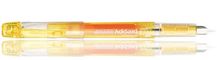
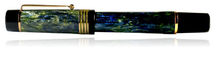

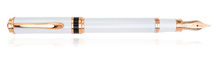
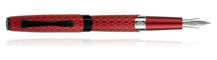
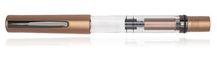
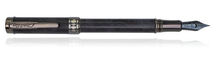

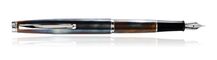
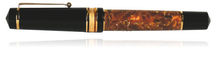
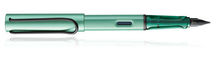
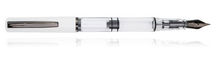
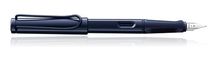
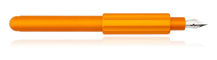
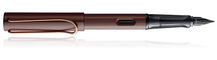
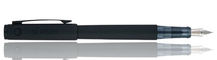
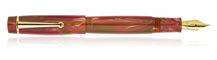
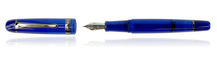
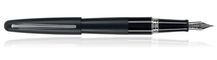
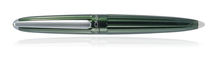
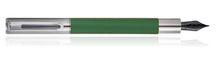
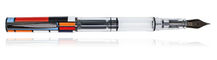
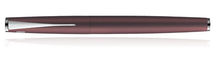
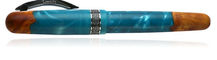
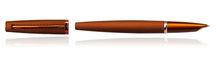

Pen Chalet is a nationwide destination for fountain pens, ink, paper, and the small accessories that make writing feel effortless. If you’re buying your first fountain pen, this page helps you choose a setup that starts reliably and feels good in your hand. If you already know what you like, it helps you shop faster, compare options cleanly, and avoid missing the simple add-ons that improve everyday use.
Fountain Pen 101 – How to Choose the Right Pen
Choosing the right fountain pen doesn’t require technical expertise, but it does benefit from understanding a few key factors before buying. Once these basics are clear, most people can confidently select a pen that writes well, feels comfortable, and fits their daily routine.
Comfort should guide every decision. A fountain pen should feel balanced in your hand, not top-heavy or awkward. Writers who take longer notes often prefer lighter pens with moderate grip diameters, while shorter writing sessions can accommodate heavier or thicker designs. Comfort directly affects how often a pen gets used.
Nib size impacts usability more than price. Fine and Medium nibs are the most practical starting points. Fine nibs suit smaller handwriting and perform better on common office paper. Medium nibs deliver smoother flow and slightly bolder lines, which many writers prefer for journaling and letters. Extra Fine nibs are precise but less forgiving, while broader or stub nibs are best explored later.
Filling systems affect convenience. Cartridge pens are clean and simple, making them ideal for beginners. Converter-compatible pens allow bottled ink and greater color variety. Built-in systems like piston or vacuum fillers hold more ink but add cleaning complexity and are better suited to experienced users.
Materials influence feel and durability. Resin and acrylic pens are lightweight and comfortable for daily use. Metal pens feel solid and professional but can fatigue the hand over time. Demonstrator pens let you monitor ink levels easily.
Match the pen to your use. Everyday notes, journaling, signatures, and creative writing all benefit from different combinations. The best fountain pen is one that supports how you write, not one chosen solely for appearance or prestige.
Learn more about how to choose the right fountain pen.
Choosing the Right Fountain Pen
Is a more expensive pen better for beginners?
No. Many affordable pens offer excellent reliability and are easier to maintain.
Should I start with a gold nib?
Not necessary. Steel nibs perform exceptionally well for daily writing.
Can nibs be changed later?
Some pens allow nib swaps, but choosing the right size initially makes the experience smoother.
Nibs Explained – Sizes, Materials, and Writing Feel
The nib is the working tip of a fountain pen and has the greatest influence on how writing feels. Understanding nib basics helps eliminate guesswork when choosing a pen.
Nib sizes define line width. Extra Fine and Fine nibs produce thin, controlled lines and work well for small handwriting or dense notes. Medium nibs lay down more ink and often feel smoother. Broad nibs create bold lines but usually require better paper to avoid bleed-through.
Specialty nibs add expression. Stub and italic nibs create natural line variation, producing thicker downstrokes and thinner cross strokes. They are popular for headings and decorative writing but aren’t essential for everyday notes.
Steel versus gold nibs. Steel nibs are durable, consistent, and affordable. Gold nibs may feel slightly softer or more responsive, but they do not automatically write better. Many writers use steel nibs exclusively for years.
Smoothness is subjective. Some writers prefer a glassy-smooth nib, while others enjoy light feedback. Paper choice and ink also affect perceived smoothness.
Reliability matters most. A nib that starts consistently and maintains steady ink flow will always outperform one chosen purely for aesthetics.
For most writers, a Fine or Medium steel nib offers the best balance of smoothness, control, and dependability.
Related Articles: Guide to Fountain Pen Nib Sizes | Gold vs Stainless Steel Fountain Pen Nibs
Filling Systems - How Fountain Pens Hold Ink
Fountain pens use several ink-filling systems, each offering different benefits depending on convenience, capacity, and maintenance preference.
Cartridges are prefilled ink tubes that snap into the pen. They’re clean, portable, and ideal for beginners or travel. When empty, you simply replace the cartridge. Color options depend on availability for your pen brand.
Converters replace cartridges and draw ink from bottles. This opens access to hundreds of ink colors and lowers cost per fill. Converters require occasional cleaning but provide flexibility many writers enjoy.
Piston fillers use a built-in mechanism to draw ink directly into the pen body. They hold more ink and feel satisfying to operate, but cleaning takes longer and requires more care.
Vacuum and eyedropper systems offer very high ink capacity and are typically chosen by experienced users comfortable with maintenance and ink handling.
For most people, cartridges or converters are the easiest and most forgiving options. They balance convenience, compatibility, and flexibility while you learn how your pen behaves.
Ink Guide – Bottles, Cartridges, and Ink Behavior
Ink plays a major role in how a fountain pen writes, looks, and performs over time. Choosing the right ink keeps writing smooth and maintenance simple.
Cartridge inks are predictable and convenient. They’re excellent for everyday use, require minimal cleanup, and are ideal for new fountain pen users. Browse our entire collection of fountain pen inks in cartridges
Bottled inks provide greater variety and personalization. Options range from traditional blues and blacks to vibrant colors, shading inks, sheen-heavy inks, and shimmering formulas. Bottled ink typically costs less per fill. Shop our selection of bottled fountain pen inks.
Ink properties affect performance.
These inks look impressive but may require better paper and more frequent cleaning.
Drying time matters. Faster-drying inks reduce smudging, especially for left-handed writers or work notes. Wetter inks feel smoother but can bleed on lower-quality paper.
Maintenance considerations. Everyday dye inks are easiest to clean and safest for regular use. Specialty inks are not harmful but benefit from routine flushing.
FAQs – Fountain Pen Ink
Are bottled inks safe for all pens?
Most standard bottled inks are safe when used and cleaned properly.
Do shimmer inks clog pens?
They won’t if cleaned regularly and used with suitable nib sizes. However, if left in your pen for extended periods of time, they can.
How often should I clean my pen when using bottled ink?
Every few weeks or when changing colors.
Paper & Notebooks – Getting Clean, Consistent Results
Paper significantly influences fountain pen performance. Even the best pen and ink can behave poorly on unsuitable paper.
Fountain-pen friendly paper resists feathering and bleed-through, allowing ink to sit cleanly on the surface. This improves line sharpness, color consistency, and overall writing feel.
Paper weight isn’t everything. While heavier paper often handles ink better, coatings and surface texture matter just as much. Some lightweight papers perform exceptionally well due to their finish.
Choose paper by purpose.
- Journaling: smooth paper that highlights shading and sheen
- Work notes: paper that dries quickly and resists smudging
- Letters: paper that enhances color and presentation
Binding affects comfort. Lay-flat notebooks reduce hand strain during long sessions. Perforated pages work well for removable notes.
Left-handed writers benefit from smooth paper paired with faster-drying inks to minimize smearing.
If writing feels scratchy or messy, paper is often the cause—not the pen. Choosing fountain-pen friendly paper can dramatically improve the experience without changing anything else.
Maintenance & Troubleshooting – Keeping Your Pen Writing Well
Fountain pens are simple tools, but they reward basic care. Most issues that feel “serious” are usually just dried ink, a small compatibility mismatch, or a pen that needs a quick rinse. If you learn a few easy habits, your pen will start faster, write smoother, and stay consistent for years.
Fast fixes (common symptoms ? quick solution)
Hard starts (pen won’t write right away): Cap the pen and try a few gentle strokes. If it still won’t start, rinse the nib section under cool water for 30–60 seconds, then blot dry.
Skipping (lines break up): Switch to better paper, or try a slightly wetter ink. If skipping continues, flush the pen until water runs clear.
Scratchy feel: First test on fountain-pen friendly paper. If it feels better, the “scratch” was paper feedback. If it still feels sharp, stop using pressure; fountain pens write best with a light hand.
Ink looks faint or dry: Refill, then let the nib sit nib-down for a minute. A dry pen is often low ink, air bubbles, or residue in the feed.
Cleaning basics (cartridge/converter pens)
- Remove cartridge/converter.
- Flush the nib section with cool water until it runs clear.
- Blot with a paper towel and let it air-dry nib-down.
- Refill and write a few lines to re-prime the feed.
- Every 2–4 weeks if you write often
- Immediately when switching ink colors
- After any skipping or hard starts
- Before storage if you won’t use the pen for a while
- Don’t leave a filled pen in heat for long periods.
- Use fountain-pen friendly paper when testing new inks.
- Avoid mixing inks in the same fill.
- If you love shimmer inks, flush more often and don’t let them sit for months.
- Stick to Fine or Medium nibs unless you know their preference
- Include ink so it’s ready to use
- Add paper that handles fountain pen ink well
- Choose comfort and reliability over novelty
For everyday dye inks, this is usually all you need.
When to clean (simple schedule)
Smart habits that prevent problems
Storage and travel tips
If you won’t use a pen for a while, empty it and rinse it first. For travel, keep it capped and store it nib-up when possible. These small habits reduce leaks and hard starts.
Most troubleshooting comes down to three things: clean water, time, and a lighter writing touch. If you keep your baseline simple—reliable pen, well-behaved ink, good paper—you’ll know exactly when a problem is the pen versus the page.
FAQs – Maintenance & Troubleshooting
How often should I clean my fountain pen?
If you write regularly, a quick flush every 2–4 weeks keeps flow consistent. Clean sooner when you change inks or notice skipping.
Can dried ink permanently damage my pen?
Usually no. Most dried dye inks dissolve with water and patience. Soaking and flushing typically restores performance.
Do I need special pen flush or cleaning solution?
For most everyday inks, water is enough. Cleaning solutions can help with stubborn buildup, but they’re rarely required.
Why does my pen write fine on some paper but not others?
Paper changes how ink spreads and how the nib feels. Fountain-pen friendly paper reduces feathering and makes flow feel smoother.
Gifts & Occasions – Fountain Pens That Make Sense to Give
Fountain pens make memorable gifts because they feel personal without being impractical. The best gift pens are the ones that start reliably, feel comfortable in most hands, and look appropriate in everyday life—whether that’s a backpack, a desk drawer, or a briefcase.
Graduations and first jobs
For a graduate, choose a dependable pen with a Fine or Medium nib and a simple filling system. Cartridges keep it easy on day one, and a small notebook turns the gift into an immediate writing ritual. A classic color and clean design age well as their style evolves.
Promotions, milestones, and “big thank you” gifts
For professional moments, look for a pen that feels substantial and polished without being flashy. Metal accents, understated finishes, and a smooth Medium nib make the pen feel special while still being practical for daily notes and signatures.
Journaling and creative writers
If the recipient loves planners, journaling, or stationery, you can add personality: a demonstrator, a colorful resin, or a bolder ink choice. Pair it with fountain-pen friendly paper so the first pages look crisp and satisfying.
Collector-friendly gifting
For enthusiasts, accessories can be the perfect “safe” gift: a pen case, ink samples or bottles in colors they don’t already own, or premium paper they’ll appreciate. When in doubt, a gift card plus a short note (“Pick your next ink”) feels thoughtful and avoids duplicates.
Building a “complete” gift set
The simplest winning bundle is three items: pen, ink, and paper. If you want a fourth, add a converter (when compatible) so they can try bottled ink later. For people who travel, a slim sleeve or zip case protects the pen and keeps it from rolling off a table. If you’re gifting bottled ink, choose an everyday color first—blue, black, or a calm green—then add a fun shade as a second bottle.
What to avoid when gifting
Avoid ultra-fine nibs for someone who presses hard or writes quickly, and avoid heavy shimmer inks for a brand-new user. Also skip unfamiliar “boutique” paper unless you know they like it; a proven fountain-pen friendly notebook is a safer first choice.
Simple gifting rules
A great fountain pen gift invites someone to write more. When the setup is easy and the first page looks clean, the pen becomes a habit—not a shelf item.
Brands We Carry – What They’re Known For
We carry a wide range of fountain pen brands because writers don’t all want the same thing. Some people want a dependable daily pen that disappears in the hand. Others want a statement piece, a pocket carry, or a nib that feels a certain way on paper. This section helps you shop brands by purpose so you can compare apples to apples and choose faster.
Beginner-friendly brands (easy starts, easy cleaning)
These brands focus on consistent ink flow, forgiving nib sizes, and simple maintenance. They’re ideal if you’re switching from gel pens or you want a pen that works with minimal learning. Look for cartridge/converter models, proven Fine or Medium nib options, and comfortable grip shapes that don’t force your fingers into one position.
Everyday workhorse brands (built for repetition)
Workhorse brands are chosen for reliability under real use: quick note-taking, long meetings, and daily planning. They tend to offer durable materials, solid caps, and nibs that keep up with faster writing. If you want a pen you can keep inked all month, this is a great category to browse.
Design-forward brands (materials, finishes, and personality)
Some brands lead with craftsmanship and visual design—resins, acrylic swirls, metal textures, and distinctive shapes. These pens often become favorites because they’re enjoyable to hold and look at, not just because they write. If you’re gifting, design-forward options can feel especially personal without needing the recipient to be a hobby expert.
Luxury and heritage brands (refinement and tradition)
Heritage brands typically emphasize premium materials, refined finishing, and a certain “feel” that collectors appreciate. They’re often chosen for milestones, signatures, and long-term ownership. If you’re shopping in this tier, pay extra attention to nib characteristics, warranty expectations, and the details that matter to you: weight, balance, trim, and cap mechanism.
Related Articles: Best Beginner Fountain Pens | Best Everyday Fountain Pens
Pocket and travel brands (small, sealed, dependable)
Compact pens are perfect for planners, bags, and daily carry. The best travel pens seal well, start quickly, and tolerate being moved around. Pair them with cartridges for the cleanest travel setup, or add a converter if you prefer bottled ink at home.
A quick note on brand myths
Bigger price doesn’t automatically mean better writing. Many mid-range brands deliver excellent nib consistency, and a great pen can feel “premium” simply because it fits your hand. Also, not every brand’s Fine or Medium behaves the same. Two Fine nibs can write differently depending on tuning, ink, and paper. That’s why we recommend choosing a brand you can comfortably maintain, then refining ink and paper before chasing specialty nibs.
Make sure the accessories match
When you pick a brand, confirm the right cartridges, converter, and refills for that model. The easiest ownership experience comes from a pen that has compatible supplies readily available, plus a case or sleeve that protects it in daily use.
How to shop brands efficiently on Pen Chalet
Use brand pages to compare models, nib sizes, and filling systems in one place. Then narrow by the decision points that matter most: nib width, grip comfort, weight, and ink compatibility. If two brands seem similar, choose based on the pen you’ll actually carry and the paper you use most. A pen that matches your routine becomes your “default,” and that’s the brand you’ll end up loving.
If you want the fastest win: start with a dependable brand in Fine or Medium, add a well-behaved ink, and choose paper that shows clean lines. Once you have a baseline you trust, exploring new brands becomes fun instead of risky.
Specials & Outlet – Finding Value Without Guesswork
The Specials and Outlet area is where you can find value without turning your shopping trip into a scavenger hunt. Instead of hunting across random categories, you can browse a focused selection of discounted pens, inks, paper, and accessories in one place.
You’ll often see limited-quantity items, rotating deals, and closeouts that make it easier to experiment. Want to try a new notebook style, add a backup converter, or grab a practical pen case? The outlet is a smart place to do it. It’s also useful when you’re building a small “writing kit” and want to keep the total cost reasonable.
Because availability can change, the best approach is simple: shop the outlet with a purpose. Look for items that complement what you already own—an everyday ink color, a travel sleeve, or paper that handles wetter nibs. If you see a great match, it may not stay long, so treat outlet finds like opportunities rather than guarantees.
If you’re new to fountain pens, outlet shopping is a low-risk way to learn your preferences. You can test whether you like finer or broader lines by trying different paper, or explore a new ink family without committing to a full “collection.” For experienced writers, it’s an easy way to stock up on staples and keep a rotation fresh.
Shipping, Returns & Support - What to Expect
Clear logistics are part of a good buying experience. When you’re ordering a fountain pen or ink online, you should know what happens next: how quickly orders move, what your options are, and what support looks like if you have a question.
Shipping basics
Pen Chalet ships orders across the United States with multiple shipping speeds depending on your destination and what you choose at checkout. Tracking keeps the process transparent, and packaging matters—especially for inks—so items arrive protected and ready to use.
Returns and exchanges
If something isn’t the right fit, returns are handled through a clear policy so expectations are set up front. Before you order, it’s smart to review eligibility, timeframes, and the condition requirements for returns. That clarity protects both you and the product, especially with fine writing items.
Authorized dealer confidence
Buying from an authorized retailer means you’re getting genuine products sourced through proper channels. It also helps set accurate expectations for warranty support and manufacturer standards.
Support that actually helps
Questions come up: “Fine or Medium?” “Cartridge or converter?” “Will this ink behave on my paper?” Pen Chalet support is there for those moments, so you can choose confidently before buying and troubleshoot quickly after delivery.
To get the fastest help
When you reach out, include your order number and a quick description of what you’re trying to accomplish (daily notes, journaling, gifting). If it’s a performance question, mention the ink you’re using and the paper type. Those details help support diagnose the issue quickly and recommend the right fix or replacement.
FAQs – Shipping, Returns, and Support
How long does shipping take?
Delivery time depends on the shipping option you select and your location. Once shipped, tracking lets you follow the package from carrier pickup to delivery.
What if my order arrives damaged or incomplete?
Contact support as soon as possible with your order details. The team will guide you through next steps to resolve the issue.
Can I get help choosing before I place an order?
Yes. If you share your budget, handwriting size, and whether you prefer cartridges or bottled ink, support can recommend a solid starting setup.
Where do I find the official returns policy?
You can view the details in our policy area for the full details, including eligibility and timeframes.
About Pen Chalet – Expertise, Trust, and Focus
Pen Chalet exists for people who want the fountain pen experience to feel simple, reliable, and genuinely enjoyable—whether you’re picking up your first pen or refining a rotation you’ve built over years. We focus on the fundamentals that actually matter to writers: smooth starts, consistent ink flow, comfortable ergonomics, and clear compatibility between pens, inks, paper, and refills.
Our expertise comes from living in the details that most shoppers don’t want to untangle alone. Nib sizes aren’t just labels; they change how a pen behaves on everyday paper, how fast ink dries, and how forgiving the writing feel is. Filling systems aren’t just “cartridge vs converter”; they determine your maintenance routine and the range of ink colors you can use. Paper isn’t just “nice vs cheap”; it’s often the difference between crisp lines and feathering. This page is built to connect those dots in a way that feels practical: clear steps, quick comparisons, and straightforward recommendations you can actually use.
As an authorized dealer, Pen Chalet sources products through proper channels. That means genuine pens and inks, supported accessories, and clear expectations around manufacturer standards. We also take the practical side seriously: how items are packed, how quickly orders move, and how customer questions are handled. When you’re buying a fine writing tool online, trust is built through consistency—what you read on the page matches what arrives at your door.
Curation matters, too. A huge selection is only helpful if you can navigate it. That’s why we organize shopping around real intent: first pen, daily work notes, journaling, gifting, travel carry, and upgrades. We highlight the “complete setup” pieces that make the difference—like choosing paper that behaves, or pairing a converter with a well-behaved everyday ink before jumping into specialty formulas.
We also believe “expert” doesn’t mean complicated. Our goal is to reduce guesswork, not add it. That’s why the guidance on this page prioritizes simple decision points: handwriting size, paper type, writing pressure, and how you prefer to fill your pen. With those inputs, most shoppers can land on the right nib, a dependable ink, and a notebook that performs in minutes.
Finally, Pen Chalet aims to be a long-term resource, not a one-time transaction. Today you might be choosing a starter pen and cartridges. Next month you might be exploring bottled inks, trying a different nib width, or adding a travel case for daily carry. As your preferences evolve, you’ll have a clear place to return, learn, and shop with confidence—without starting over every time.
Reputation in fine writing is earned through repeatable experiences: the product arrives as described, it performs the way a buyer expects, and help is available when questions come up. That’s what Pen Chalet aims to deliver—consistently.
Customers often describe the shopping experience as easy to navigate because the store doesn’t just list pens; it organizes choices in a way that matches real intent. New fountain pen buyers can follow a simple path from pen to ink to paper, while experienced writers can jump straight to brands, nib widths, and compatible refills without wasting time.
Order handling matters, especially with inks and delicate finishes. Careful packing and clear tracking reduce anxiety and protect the items that make writing enjoyable. When a package lands in good condition, it reinforces trust more than any marketing line ever could.
Support is another piece of the experience. Fountain pens come with natural learning curves—nib widths, filling systems, paper behavior—and shoppers appreciate straightforward answers that respect their time. Whether the question is “Fine or Medium?” or “Will this ink work for daily notes?”, the goal is clarity, not confusion.
Over time, that combination—clear shopping structure, reliable fulfillment, and knowledgeable support—creates confidence. It’s also what makes Pen Chalet a resource people return to for refills, upgrades, gifts, and the next ink color they can’t stop thinking about.
At Pen Chalet we have a large selection of fountain pens for sale in all different price ranges. Have questions? Let one of our expert staff members help you choose the fountain pen that is right for you or read some common FAQs about what is the best make of fountain pens.
Fountain Pen FAQs
What’s the best fountain pen for beginners?
A dependable cartridge/converter pen with a Fine or Medium nib is the best start. Fine fits small handwriting and everyday paper; Medium feels smoother and slightly bolder for journaling and letters. Add fountain-pen friendly paper to make the first experience noticeably better.
Fine vs Medium nib—how do I choose?
Pick Fine if you write small or use mixed-quality paper. Pick Medium if you want smoother flow and bolder lines on better paper. If you’re stuck, choose Fine first; it’s more forgiving and easier to match to paper.
Are fountain pens practical for everyday work notes?
Yes. Many people use them daily for meetings, to-dos, and planning. The key is a reliable pen, a well-behaved ink, and paper that doesn’t feather. A Fine nib with a practical ink is a strong default combo.
Cartridge or converter—what’s better?
Cartridges are the cleanest, simplest option and great for travel. Converters let you use bottled ink, unlocking far more colors and often lowering cost per fill. Converters require occasional cleaning, but the routine is straightforward.
Is bottled ink messy?
It can be, but it’s easy to manage. Fill slowly, keep a paper towel nearby, and wipe the grip section after filling. Most people adapt quickly, and the color variety is the reward.
What ink should I start with?
Start with an everyday dye ink in a color you’ll use often. These inks are usually easy to clean, behave well on many papers, and help you learn what “normal” flow feels like before specialty inks.
Are shimmer or sheen inks safe for pens?
Yes, when used thoughtfully. Shimmer inks contain particles and benefit from wider nibs and more frequent cleaning. Heavy sheen inks can write wetter and take longer to flush. Build a baseline with standard inks first.
How often should I clean my fountain pen?
A simple water flush every few weeks works for most regular writers. Clean sooner when you change ink colors, notice skipping, or plan to store the pen unused. Specialty inks may benefit from more frequent flushing.
My pen skips or hard-starts—what should I do first?
Confirm ink level, try better paper, and use a lighter touch. If the issue continues, flush the pen with cool water until it runs clear, dry it, and refill. Most skipping and hard starts are residue or dried ink.
Why does my pen feel scratchy on some paper?
Paper changes how the nib feels and how ink spreads. Rough or absorbent paper can feel scratchy and cause feathering. Smooth, fountain-pen friendly paper makes the nib glide and keeps lines crisp. Test on better paper before judging the nib.
Can left-handed writers use fountain pens?
Absolutely. Many left-handed writers do best with faster-drying inks, finer nibs, and smooth paper. Avoid overly wet inks at first, and choose paper that resists smearing. Once dialed in, fountain pens can be very comfortable.
Do I need special paper to use a fountain pen?
Not always, but good paper improves results immediately. Fountain-pen friendly paper reduces bleed-through, feathering, and smudging, and it helps ink color look cleaner. If you’re frustrated, upgrading paper is often the fastest fix.
What’s the difference between steel and gold nibs?
Steel nibs are durable, affordable, and can be excellent writers. Gold nibs may feel slightly softer, but they don’t automatically write better. Fit, tuning, ink, and paper matter more than nib material.
Do expensive pens write better than affordable pens?
Not necessarily. Many affordable pens write beautifully with the right ink and paper. Higher price often reflects materials, finishing, and design details. For everyday writing, prioritize comfort and a practical nib width.
How long will a fountain pen last?
With basic care, a quality fountain pen can last for decades. Regular cleaning, sensible storage, and avoiding extreme heat help seals and feeds stay healthy. Many “problems” over time are solved with cleaning and fresh ink.
What should I buy as a complete starter kit?
Keep it simple: one reliable pen (Fine or Medium), one ink option (cartridges or a bottle plus converter), and one notebook that handles fountain pen ink well. Add a sleeve or case if you carry it daily.
How do I choose a fountain pen as a gift?
Choose a reliable pen with a Fine or Medium nib and include ink so it’s ready to write. Pair it with a fountain-pen friendly notebook for a complete gift. For enthusiasts, accessories, paper, or a gift card are safe choices.
Are fountain pens safe for signing important documents?
Yes. Fountain pens can be excellent for signatures and daily paperwork. Choose a dependable ink and let it dry fully before handling. If permanence matters, look for inks designed for document use and follow cleaning recommendations, since some long-lasting formulas can require more maintenance.
How do I know I’m buying authentic products?
Buy from retailers that source through proper channels and clearly describe their policies and support. An authorized dealer relationship helps set accurate expectations for warranty standards and product authenticity. If you have a question about compatibility or sourcing, contact support before ordering.
What is a fountain pen?
A fountain pen uses liquid ink that flows from a reservoir (cartridge, converter, or built-in filling system) through a nib onto paper for a smooth writing feel.
Are fountain pens good for beginners?
Yes—many beginner-friendly fountain pens are easy to use, require minimal pressure, and can make writing more comfortable and enjoyable.
What nib size should I choose (Extra Fine, Fine, Medium, Broad)?
Extra Fine/Fine work well for smaller handwriting and everyday notes, while Medium/Broad give a smoother, wetter line that shows ink shading better. Paper and ink choice can also change how wide a line looks.
What’s the difference between cartridges, converters, and piston fillers?
Cartridges are pre-filled and convenient, converters let you use bottled ink in a cartridge-style pen, and piston/vacuum fillers have a built-in mechanism that holds more ink and fills directly from a bottle.
Can I use any ink in a fountain pen?
Use fountain-pen-safe ink only. Avoid India ink, calligraphy ink, and other pigmented/drawing inks unless they’re specifically labeled safe for fountain pens, as they can clog the feed.
How do I fill a fountain pen with a converter?
Insert the converter firmly, dip the nib into the ink (past the breather hole), then twist or press the converter mechanism to draw ink up. Wipe the nib and section before writing.
How often should I clean my fountain pen?
A quick rinse when you change inks is ideal. For regular use, cleaning every few weeks helps prevent buildup—especially with saturated, shimmering, or sheen-heavy inks.
Why is my fountain pen skipping or writing dry?
Common causes include dried ink in the feed, oils on the nib from skin, low ink level, or paper that doesn’t play nicely with the ink. Try a gentle rinse, use light pressure, and test a different paper or ink.
What paper works best with fountain pens?
Smoother, heavier paper typically reduces feathering and bleed-through. If your ink spreads or ghosts, try fountain-pen-friendly notebooks or a higher GSM paper.
Can I fly with a fountain pen without it leaking?
Yes—keep the pen nib-up during takeoff/landing and consider traveling with the reservoir partly filled to reduce pressure changes. A protective case and a quick wipe help, too.
Are fountain pens good for left-handed writers?
Absolutely. A finer nib and faster-drying ink can reduce smudging, and adjusting hand position (writing a bit below the line) often improves comfort and results.
How should I store a fountain pen when I’m not using it?
For short breaks, cap it tightly and store horizontally. For longer storage, clean it and let it dry; this prevents ink from drying out inside the feed.
Explore More – Learn & Shop Next
This page is your starting point, but it’s designed to connect you to the next best step—either deeper learning or faster shopping. If you’re ready to browse, use the category links to explore fountain pens, inks and refills, notebooks and paper, and accessories. Filters help you compare by brand, nib size, filling system, price, and purpose, so you can narrow options without opening a dozen tabs.
If you’d rather learn first, follow the guide links from this page: nib sizes and writing feel, cartridge vs converter, ink properties like shading, sheen, and shimmer, and paper choices that reduce feathering and bleed-through. These resources help you make one decision at a time, then return to shopping with confidence.
Fountain pens don’t need to be complicated to be rewarding. When the pen, ink, and paper match your habits, writing feels smoother, cleaner, and more personal—whether you’re taking quick work notes or filling a journal at night.
Use this page as your home base: shop the categories when you’re ready to buy, skim the mini-guides when you want clarity, and rely on the FAQ answers when you need a fast decision. If you’re unsure, start simple with a dependable pen, an everyday ink, and paper that behaves.
When you’re ready, your next favorite writing tool is a few clicks away—and it should feel right from the first line, not after weeks of trial and error. Keep it simple, then explore.