



Fountain Pen Ink
Fountain pen ink changes the way your pen writes, feels, and looks on the page. Whether you want a smooth everyday blue ink, a rich black ink for work, a waterproof ink for important notes, or a colorful shading, sheen, or shimmer ink for journaling, the right ink can make your fountain pen more enjoyable and more useful.
At Pen Chalet, you can shop a wide selection of fountain pen inks in bottles, cartridges, and specialty formulas from trusted brands. Choose from classic professional colors, vibrant writing inks, permanent and archival inks, fast-drying inks, and expressive inks designed to show off the unique character of your favorite fountain pens.


Types of Fountain Pen Ink
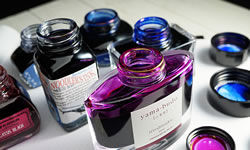
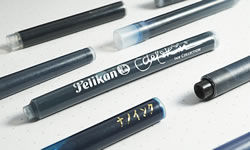
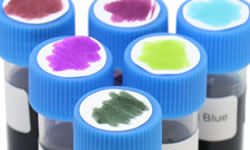
Fountain pen ink is available in several different formulas and styles, each designed for different writing preferences and use cases. Some inks are optimized for everyday writing and easy cleaning, while others focus on waterproof performance, dramatic sheen, shimmer effects, or long-term document durability.
Understanding the differences between fountain pen ink types can help you choose the best ink for your pen, paper, and writing style.
Dye-Based Fountain Pen Ink
Dye-based fountain pen inks are the most common and beginner-friendly inks available. These inks are usually easy to clean, flow smoothly, and come in a wide variety of colors.
Dye inks are popular for:
- Everyday writing
- Journaling
- School and office use
- Frequent color changes
Learn more in our guide to dye vs pigment fountain pen ink.
Pigment Fountain Pen Ink
Pigment fountain pen inks contain tiny pigment particles designed to provide stronger water resistance and longer-lasting writing. These inks are often used for archival writing, artwork, and waterproof documents.
Because pigment inks can leave residue over time, regular fountain pen cleaning is important.
Explore:
Shimmer Fountain Pen Ink
Shimmer fountain pen inks contain reflective particles that create sparkling effects in writing. These inks are popular for calligraphy, journaling, greeting cards, and decorative writing.
Shimmer inks often require more pen maintenance and are usually best used in broader nib fountain pens.
Read our guide to what is fountain pen shimmer.
Sheening Fountain Pen Ink
Sheening fountain pen inks produce a secondary metallic-like color effect when ink pools heavily on fountain pen friendly paper. Sheen is especially popular among fountain pen enthusiasts who enjoy dramatic ink appearance.
Learn more in our article on fountain pen ink sheen.
Shading Fountain Pen Ink
Shading fountain pen inks create natural light and dark variations within written strokes. Many fountain pen users enjoy shading inks because they add depth and character to handwriting.
Read more in our guide to fountain pen ink shading.
Waterproof Fountain Pen Ink
Waterproof fountain pen inks are designed to resist smearing and water damage after drying. These inks are popular for artists, professionals, journal writers, and users who need durable writing.
Explore our waterproof fountain pen ink guide.
Permanent & Archival Fountain Pen Ink
Permanent and archival fountain pen inks are designed for long-term document durability and fade resistance. These inks are commonly used for signatures, records, artwork, and important writing.
Related guides:
How to Choose Fountain Pen Ink
Choosing the best fountain pen ink depends on your writing style, paper choice, nib size, dry time needs, and how you plan to use your fountain pen. Some fountain pen users prioritize smooth everyday performance, while others prefer waterproof durability, dramatic sheen, shading effects, or fast-drying formulas.
The right fountain pen ink can improve writing comfort, reduce feathering, and help your fountain pen perform more consistently.
Choose Ink Based on Your Writing Style
Different fountain pen inks work better for different types of writing.
| Writing Style | Recommended Ink Type |
|---|---|
| Everyday writing | Smooth dye-based inks with reliable flow |
| Work and office use | Blue, blue-black, or black fast-drying inks |
| Journaling | Shading or expressive inks |
| Artwork and sketching | Waterproof or pigment-based inks |
| Signatures and documents | Permanent or archival inks |
| Left-handed writing | Fast-drying inks |
Nib Size Affects Ink Performance
Fountain pen nib size changes how ink behaves on paper. Broader nibs use more ink and may show more shading, sheen, and shimmer, while finer nibs usually dry faster and work better on ordinary paper.
- Extra Fine & Fine nibs: Better for cheap paper, faster dry times, and small handwriting
- Medium nibs: Balanced smoothness and ink visibility
- Broad nibs: Best for sheen, shading, shimmer, and expressive writing
Learn more in our guides to:
Paper Choice Matters
Paper quality dramatically affects fountain pen ink performance. Fountain pen friendly paper helps reduce feathering and bleed-through while improving sheen, shading, and line clarity.
Ordinary copy paper may work better with controlled-flow or fast-drying inks, especially when using broader nibs.
Explore:
Choose the Right Ink Dry Time
Some fountain pen inks dry quickly while others remain wet longer to enhance sheen and shading effects. Faster-drying inks are often better for left-handed writers, quick note-taking, and office environments.
Slower-drying inks may provide richer visual effects but can smudge more easily on certain papers.
Read our guide to best fast-drying fountain pen inks.
Beginner Fountain Pen Ink Recommendations
Many beginners prefer fountain pen inks that are easy to clean, reliable, and compatible with a wide variety of pens and paper.
Beginner-friendly fountain pen ink characteristics include:
- Easy cleaning
- Moderate flow
- Good behavior on standard paper
- Reliable startup performance
- Classic colors like blue or black
Popular beginner-friendly ink brands often include Pilot, Waterman, Diamine, Pelikan, and Monteverde.
Waterproof vs Everyday Fountain Pen Ink
If you need long-term durability or water resistance, permanent and waterproof fountain pen inks may be the best choice. However, these inks often require more frequent cleaning than standard dye-based inks.
For most daily writing, many fountain pen users prefer easier-to-clean everyday inks with smooth flow and practical dry times.
Related guides:
- Waterproof Fountain Pen Ink Guide
- Best Permanent Fountain Pen Ink
- Best Fountain Pen Inks for Everyday Use
Choosing Fountain Pen Ink Colors
Ink color can affect readability, professionalism, and writing personality. Blue, blue-black, and black inks are popular for professional writing, while green, purple, red, and brown inks are often used for journaling, creative writing, and artistic expression.
Explore our guides to:
Maintenance Considerations
Highly saturated, shimmer, pigment, and permanent fountain pen inks may require more cleaning and maintenance than standard dye-based inks.
Regular cleaning helps prevent:
- Clogging
- Hard starts
- Dried ink buildup
- Restricted ink flow
Read:
Best Fountain Pen Ink by Use Case
The best fountain pen ink depends on how and where you write. Some inks are designed for smooth everyday writing, while others prioritize fast dry times, waterproof performance, dramatic shading, or expressive color.
Choosing fountain pen ink based on your writing habits, paper type, nib size, and maintenance preferences can help improve both writing comfort and fountain pen performance.
Best Fountain Pen Ink for Everyday Writing
Everyday fountain pen inks should offer reliable flow, good behavior on common paper, easy cleaning, and comfortable dry times. Many writers prefer inks that balance smoothness with practicality for regular note-taking, journaling, and office use.
Popular everyday fountain pen ink choices often include:
- Diamine fountain pen ink - Oxford Blue
- Sailor Jentle ink Cartidges
- Pilot Iroshizuku inks
- Waterman Serenity Blue
Read our guide to best fountain pen inks for everyday use.
Best Fountain Pen Ink for Work & Office Writing
Professional writing usually benefits from fountain pen inks that are readable, fast drying, and appropriate for business environments. Blue, blue-black, and black inks are commonly preferred for meetings, signatures, and office notes.
Fast-drying inks are especially useful for quick note-taking and standard office paper.
Explore:
Best Fountain Pen Ink for Journaling
Journaling fountain pen inks often focus on smooth writing, attractive shading, expressive colors, and comfortable long-form writing performance.
Popular journaling inks may include:
- Diamine fountian pen ink - Earl Grey
- Monteverde fountain pen inks - Emerald Noir
- Pilot Iroshizuku Kon-Peki
- J Herbin fountain pen inks
Best Fountain Pen Ink for Cheap Paper
Some fountain pen inks behave better on ordinary copy paper, school notebooks, and lower-quality office paper. Controlled-flow inks and finer nib combinations can help reduce feathering and bleed-through.
Dryer inks are often easier to manage on inexpensive paper.
Read:
Best Fountain Pen Ink for Left-Handed Writers
Left-handed fountain pen users often prefer faster-drying inks to reduce smudging while writing. Fine nibs and controlled-flow inks may also help improve writing performance.
Fast-drying inks are especially important for side writers and overwriters.
Explore:
Best Fountain Pen Ink for Sheen
Sheening fountain pen inks create dramatic secondary color effects when heavily pooled on fountain pen friendly paper. These inks are popular among fountain pen enthusiasts and ink collectors.
Broader nibs and premium paper often enhance sheen performance.
Learn more about fountain pen ink sheen.
Best Fountain Pen Ink for Shading
Shading fountain pen inks create natural light and dark color variation within written strokes. Many writers enjoy shading inks for journaling, letters, and expressive handwriting.
Medium and broad nib fountain pens often showcase shading especially well.
Read our guide to fountain pen ink shading.
Best Waterproof Fountain Pen Ink
Waterproof fountain pen inks are designed to resist water exposure and smearing after drying. These inks are popular for artwork, signatures, note preservation, and professional use.
Many waterproof inks also provide permanent or archival qualities.
Related guides:
Best Fountain Pen Ink for Artwork & Drawing
Artists often prefer fountain pen inks with waterproof performance, smooth flow, and strong line consistency. Pigment-based inks are especially popular for sketching and watercolor work.
Popular art-focused fountain pen inks may include:
- Platinum Carbon Black
- De Atramentis Document Ink
- Sailor Shikiori Inks - Kiwa-Guro
Best Fountain Pen Ink for Beginners
Beginner fountain pen users usually benefit from inks that are easy to clean, reliable, and compatible with a wide variety of pens and paper.
Beginner-friendly ink brands often include:
| Brand | Why Beginners Like It | Known For |
|---|---|---|
| Waterman | Easy to clean, reliable flow, and very fountain pen friendly | Classic everyday inks and beginner reliability |
| Pilot | Smooth writing performance and dependable ink behavior | Premium Iroshizuku inks and excellent flow |
| Diamine | Large color selection with approachable pricing | Color variety, shimmer inks, and everyday writing inks |
| Pelikan | Well-behaved inks that work well in many fountain pens | Traditional writing inks and Edelstein premium inks |
| Monteverde | Smooth flow and beginner-friendly everyday performance | Lubricated inks and expressive colors |
These inks generally provide dependable flow and easier maintenance compared to highly saturated or shimmer inks.
Best Fountain Pen Ink for Signatures
Signature inks should be readable, professional, and resistant to smearing or fading. Blue-black and black permanent inks are common choices for business signatures and official documents.
Many users prefer permanent or archival fountain pen inks for important writing.
Best Fountain Pen Ink for Fountain Pen Friendly Paper
High-quality fountain pen paper can dramatically improve shading, sheen, and overall ink appearance. Some inks that feather on ordinary paper may perform beautifully on premium notebooks and coated paper.
Explore:
Popular Fountain Pen Ink Brands
Pen Chalet carries fountain pen ink from many respected writing brands, ranging from classic everyday inks to colorful specialty formulas for collectors, artists, and journaling enthusiasts. Each brand offers a different approach to color, flow, bottle design, ink properties, and writing performance.
Diamine Fountain Pen Ink
Diamine fountain pen ink is popular for its large color selection, approachable pricing, and wide variety of shades. Diamine is a favorite among writers who enjoy experimenting with blues, greens, purples, reds, browns, shimmer inks, and everyday writing colors.
J. Herbin Fountain Pen Ink
J. Herbin ink is known for classic writing colors, elegant presentation, and reliable everyday performance. Many fountain pen users choose J. Herbin for smooth, traditional inks such as black, blue, and specialty colors.
Pilot Iroshizuku Fountain Pen Ink
Pilot Iroshizuku ink is known for smooth flow, refined colors, and premium presentation. These inks are especially popular with users who want a polished writing experience and vibrant color options.
Sailor Fountain Pen Ink
Sailor fountain pen ink is respected for excellent flow, unique colors, and premium writing performance. Sailor inks are popular among enthusiasts who enjoy shading, smoothness, and carefully balanced ink behavior.
Monteverde Fountain Pen Ink
Monteverde fountain pen ink offers a broad range of colors with smooth flow and strong everyday usability. Monteverde inks are popular for writers who want reliable performance with expressive color options.
Robert Oster Fountain Pen Ink
Robert Oster ink is known for distinctive colors, shading, and enthusiast-friendly ink properties. These inks are especially popular with users who enjoy unique tones and expressive writing.
Ferris Wheel Press Fountain Pen Ink
Ferris Wheel Press ink is known for beautiful bottle design, creative colors, and decorative ink collections. These inks are popular for journaling, gifting, and expressive handwriting.
Pelikan Fountain Pen Ink
Pelikan fountain pen ink includes classic everyday inks as well as premium Edelstein colors. Pelikan inks are popular with writers who value dependable performance and traditional fountain pen heritage.
Platinum Fountain Pen Ink
Platinum fountain pen ink is especially well known for permanent and pigment-based inks such as Carbon Black. Platinum inks are often chosen for waterproof writing, artwork, and archival use.
Explore our full selection of bottled fountain pen ink and fountain pen ink in cartridges to compare colors, bottle sizes, brands, and ink properties.
Shop Fountain Pen Ink by Color
Explore popular fountain pen ink colors by writing style, mood, and use case. Whether you need a professional black or blue ink, a rich brown for journaling, or a bold red, green, or purple ink for creative writing, color is one of the easiest ways to personalize your fountain pen experience.
Blue Fountain Pen InkVersatile, readable, and popular for work or journaling.
Red Fountain Pen InkGreat for editing, notes, annotations, and bold writing.
Green Fountain Pen InkExpressive, earthy, and excellent for personal writing.
Purple Fountain Pen InkCreative, distinctive, and popular for journaling.
Brown Fountain Pen InkWarm, vintage-inspired, and great for letters or journals.
Fountain Pen Ink Properties Explained
Fountain pen inks can behave very differently depending on their formulation, saturation, lubrication, dry time, and interaction with paper and nib size. Understanding fountain pen ink properties can help you choose inks that match your writing style, paper, and fountain pen preferences.
Some fountain pen users prioritize smooth flow and fast dry times, while others prefer dramatic sheen, heavy shading, or highly saturated colors.
Wet vs Dry Fountain Pen Inks
One of the most important fountain pen ink properties is whether the ink behaves “wet” or “dry.”
- Wet inks place more liquid on the page, often creating smoother writing and stronger shading or sheen.
- Dry inks use less ink flow, which can improve performance on ordinary paper and reduce smudging.
Wet inks are often preferred for smoother writing and broader nibs, while dry inks may work better for left-handed writers and inexpensive paper.
Ink Saturation
Ink saturation refers to how concentrated and intense the color appears on the page. Highly saturated inks often produce rich, bold colors but may require more cleaning and longer dry times.
Lower-saturation inks may appear softer and sometimes shade more dramatically during writing.
Lubrication & Smoothness
Some fountain pen inks feel smoother during writing because they provide more lubrication between the nib and paper. Well-lubricated inks can improve writing comfort and reduce scratchy feeling in finer nibs.
Many fountain pen users notice lubrication differences most when using extra fine or fine nib fountain pens.
Fountain Pen Ink Sheen
Sheening fountain pen inks create a secondary reflective color effect when heavily pooled on fountain pen friendly paper. Sheen is especially visible with broader nibs, wetter pens, and coated paper.
Common sheen combinations include:
- Blue ink with red sheen
- Purple ink with gold sheen
- Black ink with metallic sheen effects
Read more about fountain pen ink sheen.
Fountain Pen Ink Shading
Shading occurs when ink dries with natural light and dark variation inside written strokes. Many fountain pen enthusiasts enjoy shading because it adds depth and character to handwriting.
Shading is often enhanced by:
- Broader nibs
- Fountain pen friendly paper
- Moderate ink saturation
- Wet ink flow
Learn more in our guide to fountain pen ink shading.
Fountain Pen Ink Shimmer
Shimmer fountain pen inks contain reflective particles that create sparkling effects on the page. These inks are especially popular for journaling, greeting cards, decorative writing, and calligraphy.
Because shimmer particles can settle inside fountain pens, regular cleaning is recommended.
Read our guide to what is fountain pen shimmer.
Dry Time
Dry time is an important fountain pen ink property for everyday writing, work, and left-handed use. Dry time depends on several factors including:
- Ink formulation
- Nib size
- Paper absorbency
- Ink flow
Broader nibs and coated paper usually dry more slowly, while finer nibs and absorbent paper often dry faster.
Explore our guide to best fast-drying fountain pen inks.
Feathering & Bleed-Through
Some fountain pen inks spread into paper fibers, creating fuzzy lines called feathering. Heavier ink flow may also soak through thinner paper, causing bleed-through.
Feathering is influenced by:
- Paper quality
- Nib size
- Ink wetness
- Ink saturation
Controlled-flow inks and fountain pen friendly paper can help reduce feathering.
Read:
Water Resistance & Permanence
Some fountain pen inks resist water exposure better than others. Waterproof, permanent, and archival fountain pen inks are popular for artwork, signatures, journals, and important documents.
Many permanent inks use pigment-based formulas for stronger long-term durability.
Related guides:
Paper Compatibility
Paper dramatically changes how fountain pen ink performs. Fountain pen friendly paper helps improve shading, sheen, line sharpness, and overall writing appearance.
Popular fountain pen papers include Rhodia, Clairefontaine, Tomoe River, and Midori MD.
Explore:
Frequently Asked Questions About Fountain Pen Ink
What is the best fountain pen ink for beginners?
The best fountain pen ink for beginners is usually a reliable dye-based ink that is easy to clean, flows smoothly, and works well on common paper. Popular beginner-friendly ink brands include Waterman, Pilot, Diamine, Pelikan, Monteverde, and J. Herbin.
What is the difference between bottled fountain pen ink and ink cartridges?
Bottled fountain pen ink offers the widest selection of colors and specialty ink properties, while ink cartridges are convenient, portable, and easy to replace. Many fountain pen users choose bottled ink for variety and cartridges for travel or quick refills.
Can all fountain pens use bottled ink?
Not all fountain pens use bottled ink by default. Cartridge fountain pens usually need a compatible converter, while piston, vacuum, and eyedropper fountain pens are designed to fill directly from bottled ink.
What fountain pen ink is best for everyday writing?
The best fountain pen ink for everyday writing should have reliable flow, moderate dry time, good readability, and easy cleaning. Blue, blue-black, and black inks are popular choices for daily writing, work, school, and journaling.
What is waterproof fountain pen ink?
Waterproof fountain pen ink is formulated to resist water after drying. These inks are often used for artwork, important notes, signatures, professional documents, journaling, and writing that needs long-term durability.
What is the difference between dye-based and pigment fountain pen ink?
Dye-based fountain pen ink uses dissolved colorants and is usually easier to clean, while pigment fountain pen ink uses tiny particles that can provide stronger water resistance and permanence. Pigment inks often require more regular pen cleaning.
What is fountain pen ink sheen?
Fountain pen ink sheen is a reflective secondary color that appears on top of dried ink when highly saturated ink pools on fountain pen friendly paper. Sheen is especially popular among fountain pen enthusiasts and ink collectors.
What is fountain pen ink shading?
Fountain pen ink shading is the light and dark variation that appears within written strokes as ink dries unevenly on the paper. Shading can add depth, character, and visual interest to handwriting.
What is shimmer fountain pen ink?
Shimmer fountain pen ink contains small reflective particles that create a sparkling or metallic effect on the page. Shimmer inks are popular for journaling, greeting cards, calligraphy, and decorative writing, but they usually require more frequent pen cleaning.
What fountain pen ink dries fastest?
Fast-drying fountain pen inks are usually controlled-flow inks that place less wet ink on the page. Dry time also depends on nib size and paper. Fine nibs and absorbent paper typically dry faster than broad nibs and coated fountain pen paper.
What fountain pen ink works best on cheap paper?
Controlled-flow fountain pen inks usually work best on cheap paper because they help reduce feathering and bleed-through. Fine or extra fine nibs can also improve performance on ordinary office paper, school notebooks, and inexpensive journals.
How often should you clean a fountain pen when changing inks?
You should usually clean a fountain pen whenever changing ink colors or switching ink types. Cleaning helps prevent color mixing, dried ink buildup, clogging, and inconsistent ink flow.